
Mihai Sfetcu
Rated1 year ago
Strait of Gibraltar - the cave of St. Michael
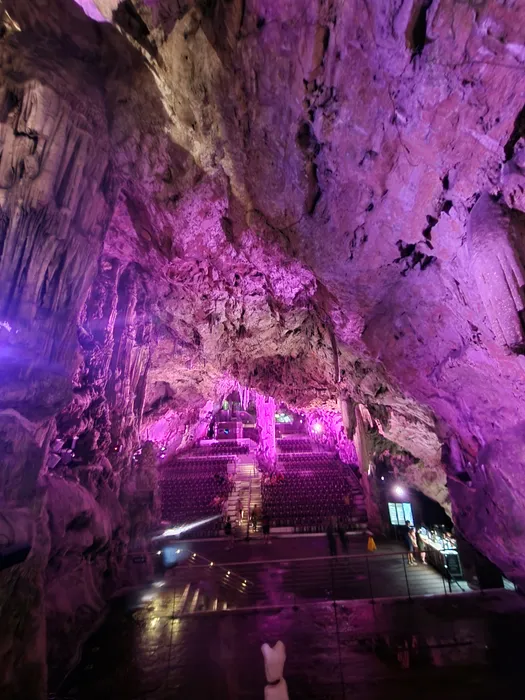
Lower St Michael's Cave
Gibraltar, Gibraltar
Comments9
162
Flaps83
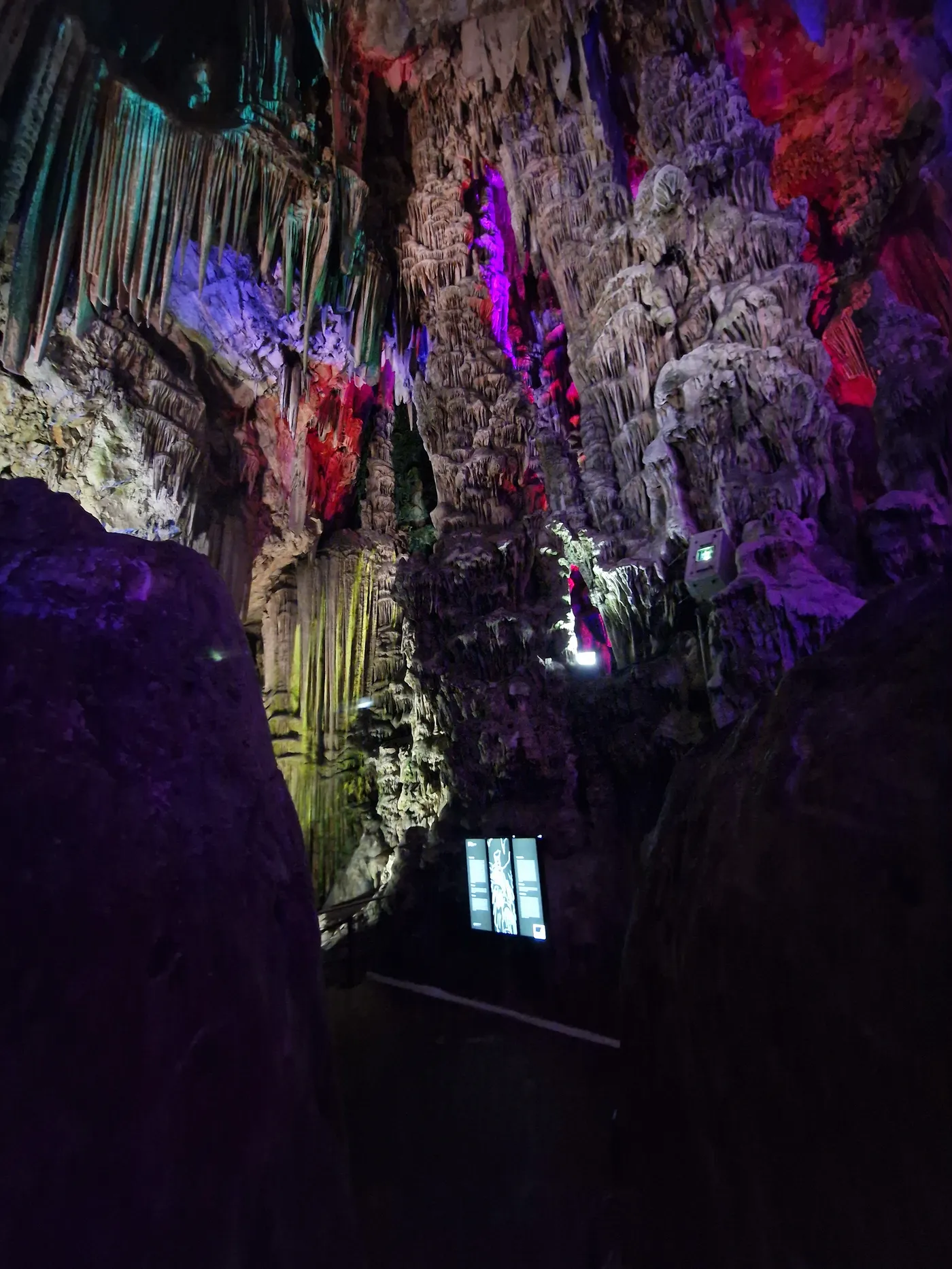
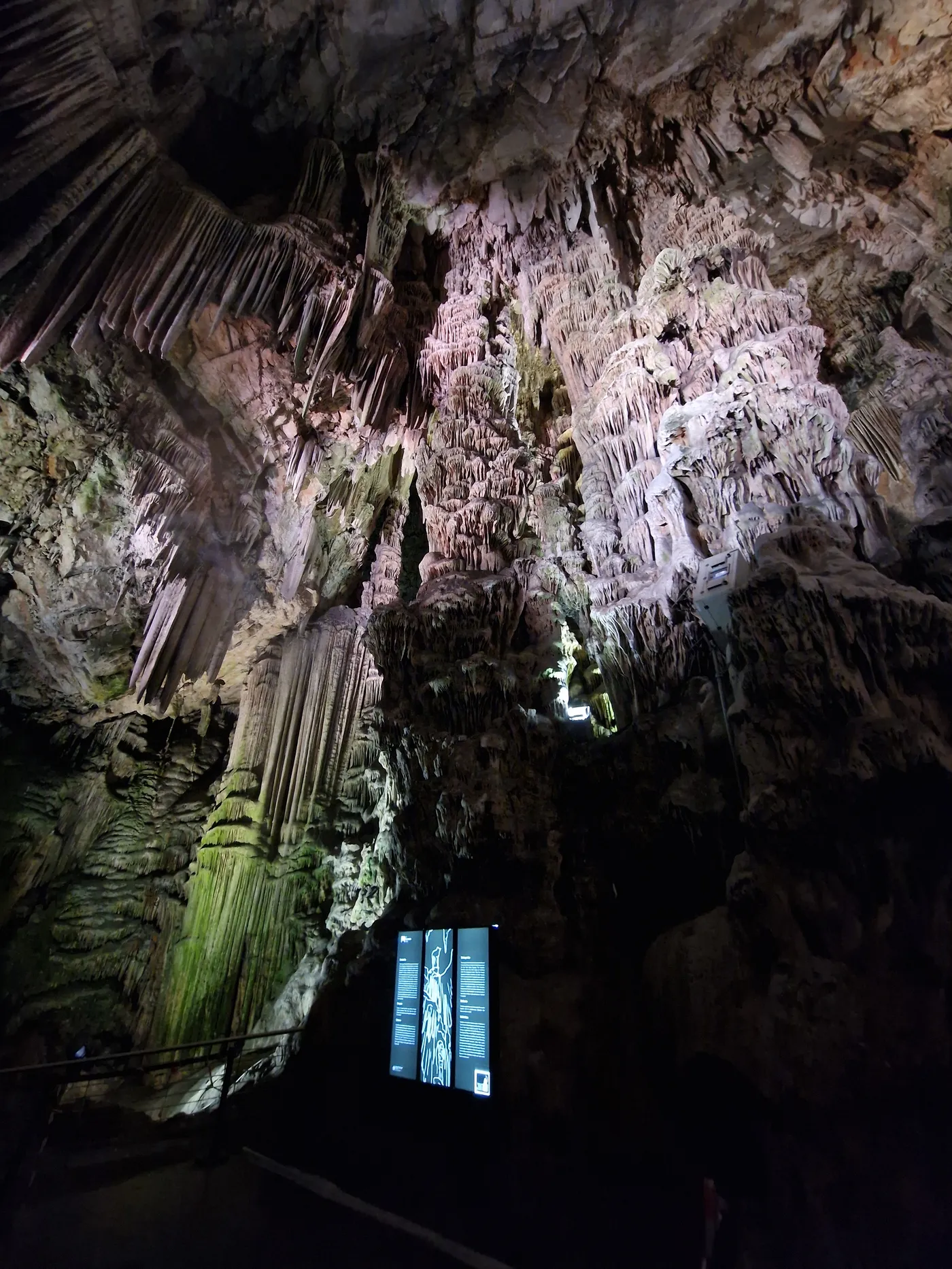
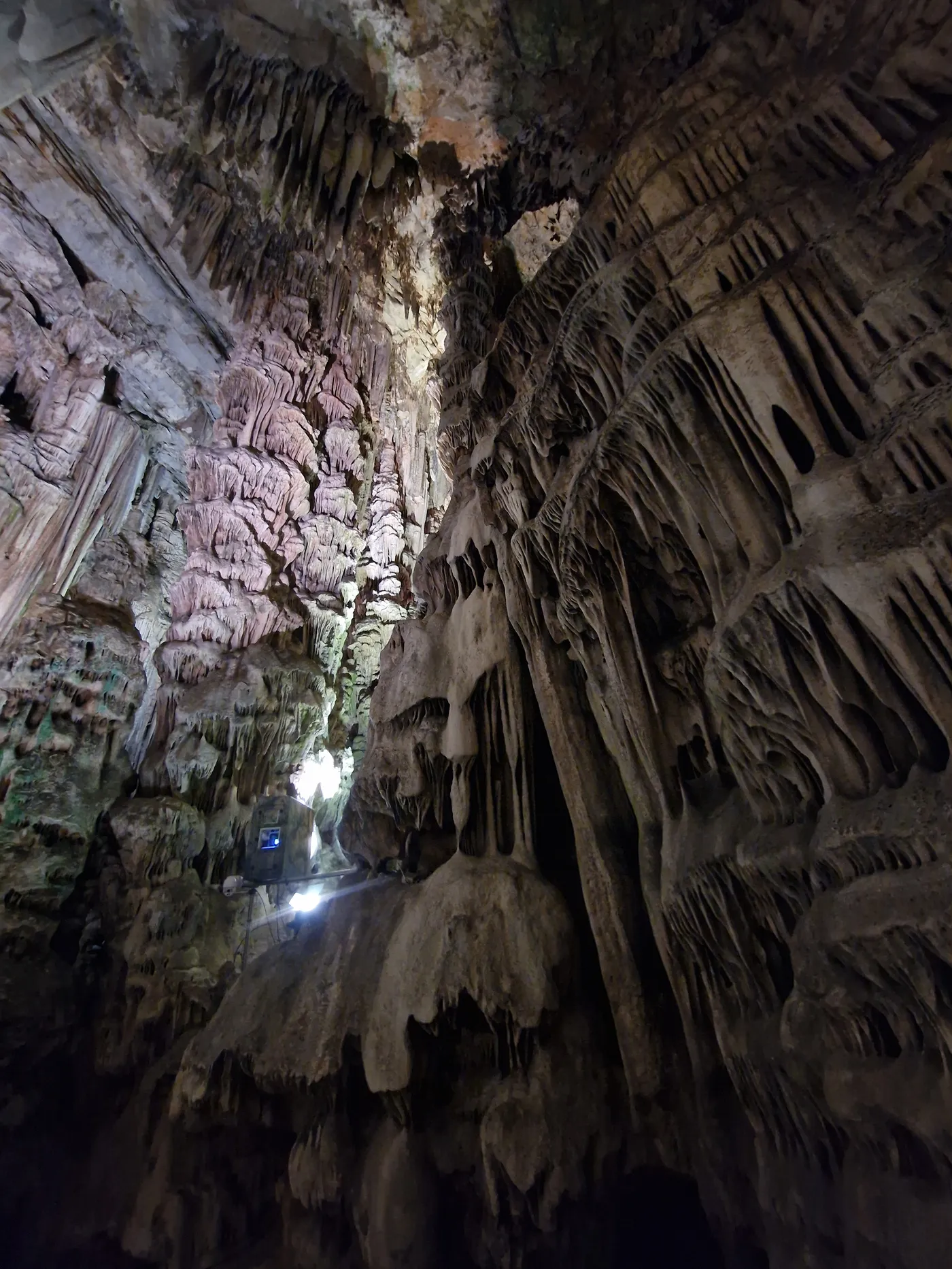
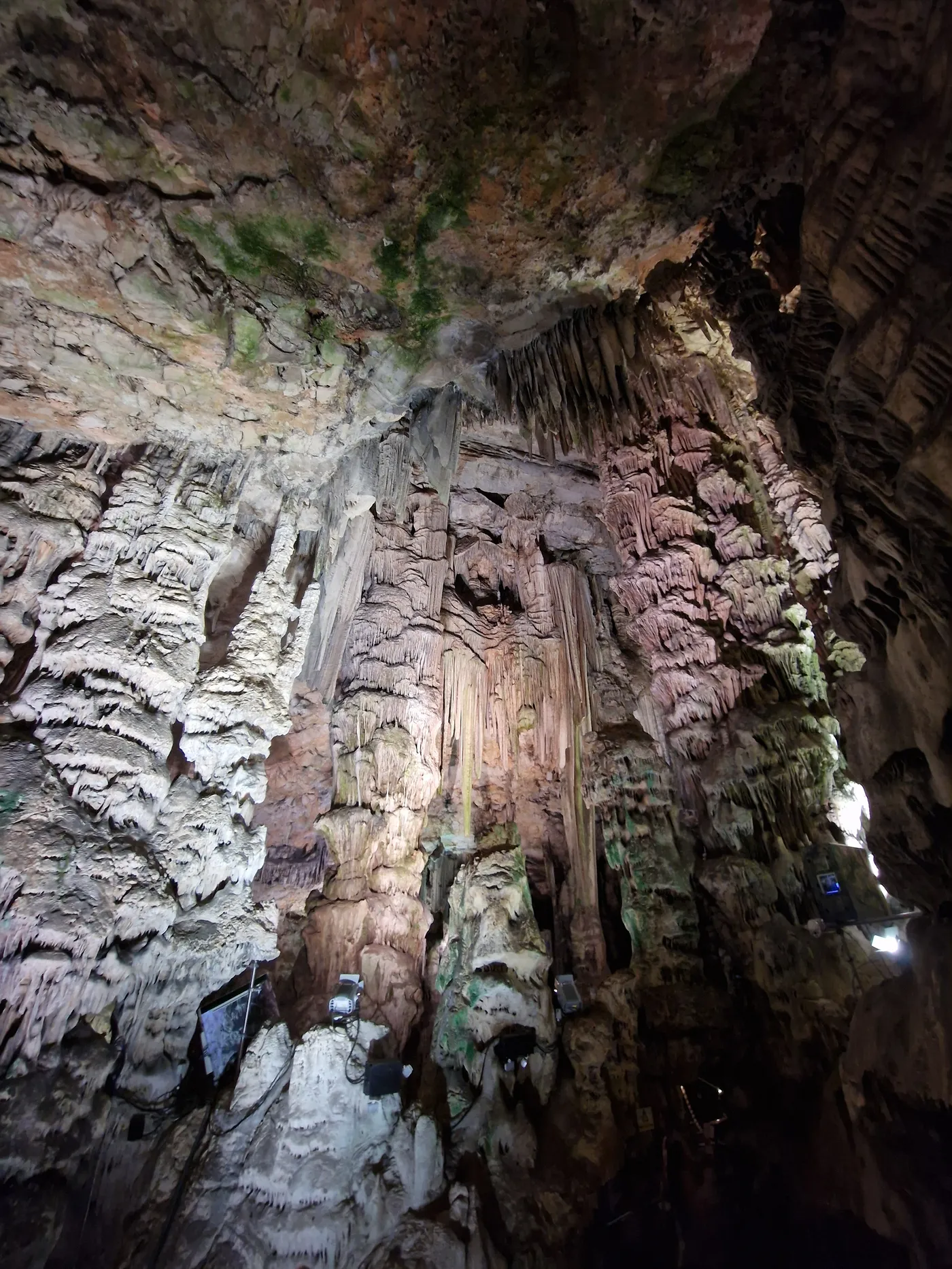
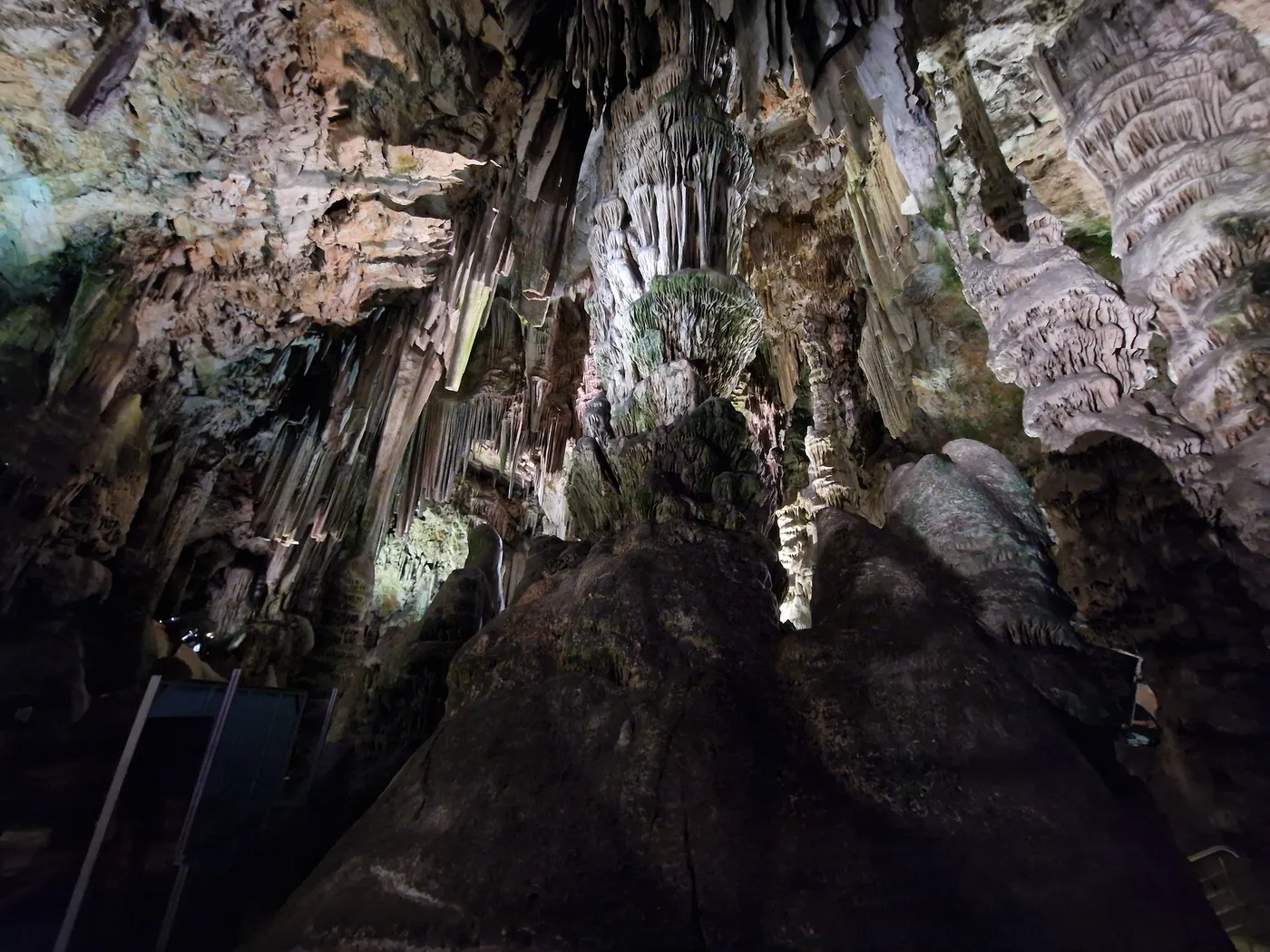
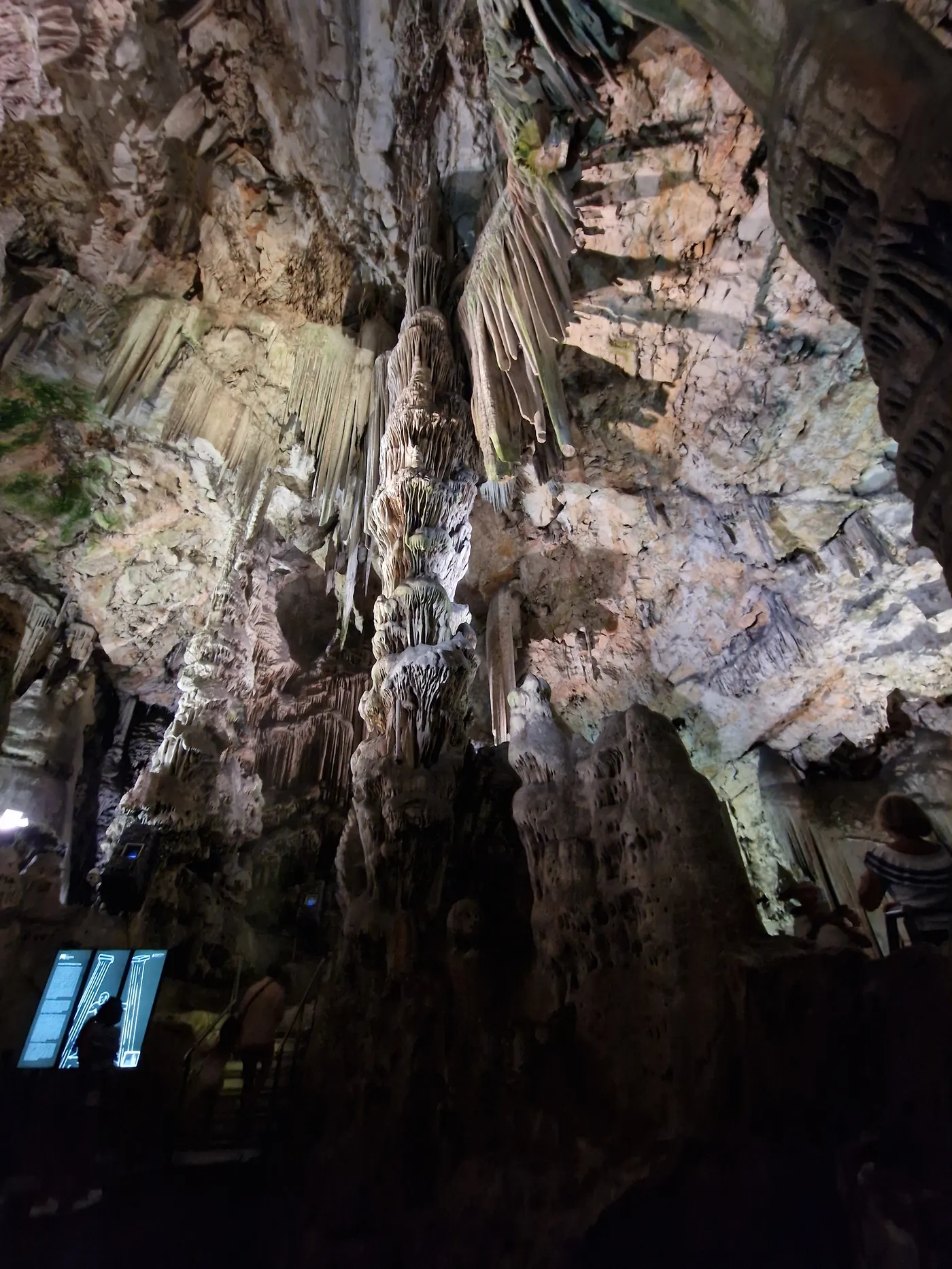
New St. Michael's Cave, also called Lower St. Michael's Cave, is a cave system located in the British Overseas Territory of Gibraltar. In contrast to St. Michael's Cave, which has been known for more than 2,000 years, this cave was only discovered during World War II.
St. Michael’s Cave was once thought to be bottomless, likely giving rise to the legend of a subterranean passage connecting the Rock of Gibraltar to Africa beneath the Strait of Gibraltar. According to this tale, the famous macaques are said to have arrived in Gibraltar through this hidden route. One of the earliest geographers, Pomponius Mela, who lived around the beginning of the Christian era, mentioned the cave in his writings.
A historical account suggests that in 1704, Spanish troops may have sheltered in the cave overnight after scaling the steep eastern face of the Rock. Another story tells of Colonel Mitchell and an unidentified officer who reportedly ventured into the cave before 1840, never to be seen again.
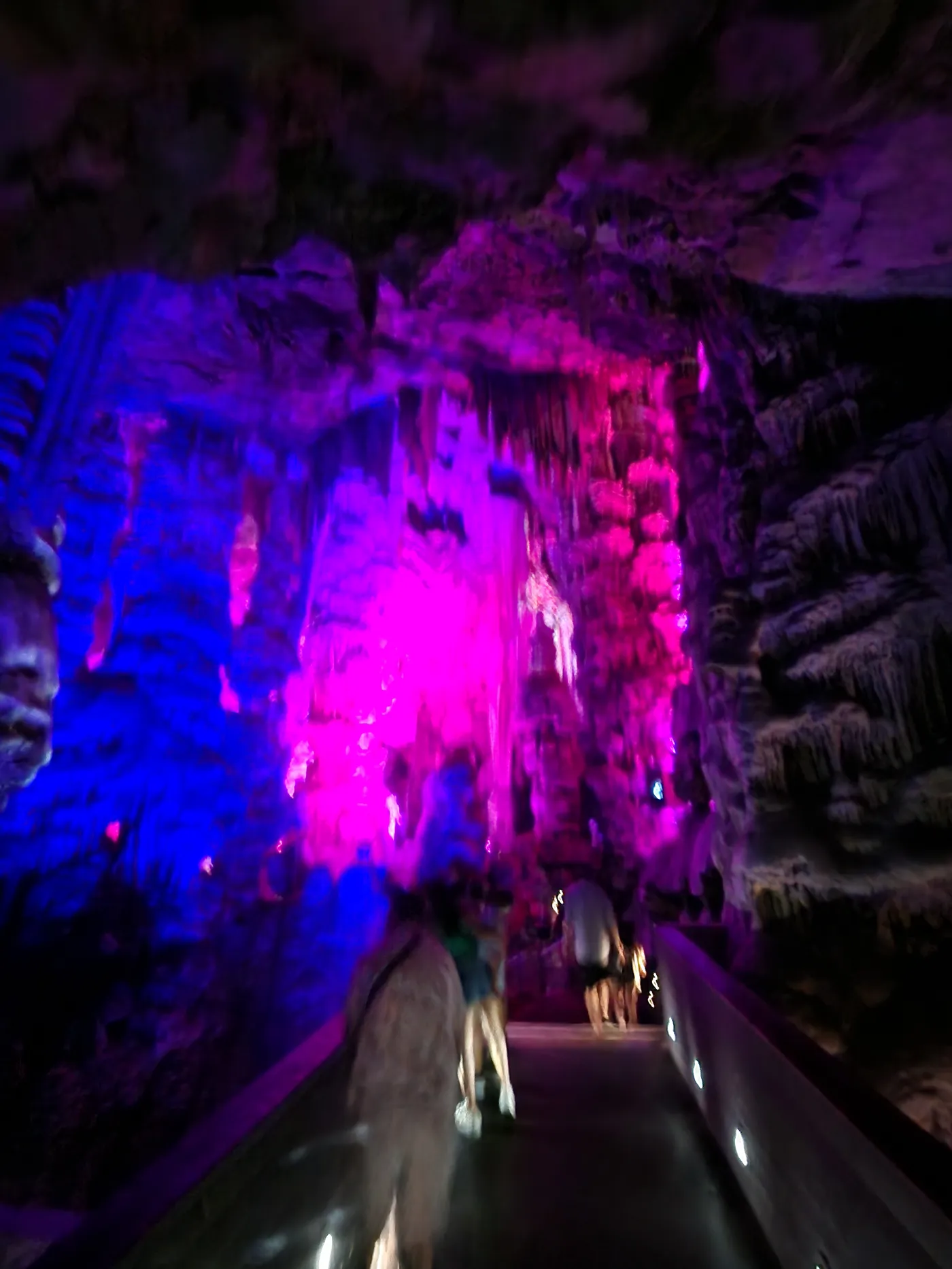
During World War II, the cave was equipped as an emergency hospital, though it was never used for this purpose. Today, it is open to visitors and serves as a unique venue for concerts, ballet, and drama performances. Since the early 1960s, it has functioned as a theater with a seating capacity of 600.
At some point in the cave’s history, a stalagmite grew too heavy on one side and toppled over, possibly thousands of years ago. Now lying at the far end of the main chamber, it has been naturally cemented to the cave floor over time. In 1972, a slice was cut from its top, revealing its striking internal structure.



 Play Store
 App Store